 020 7898 0500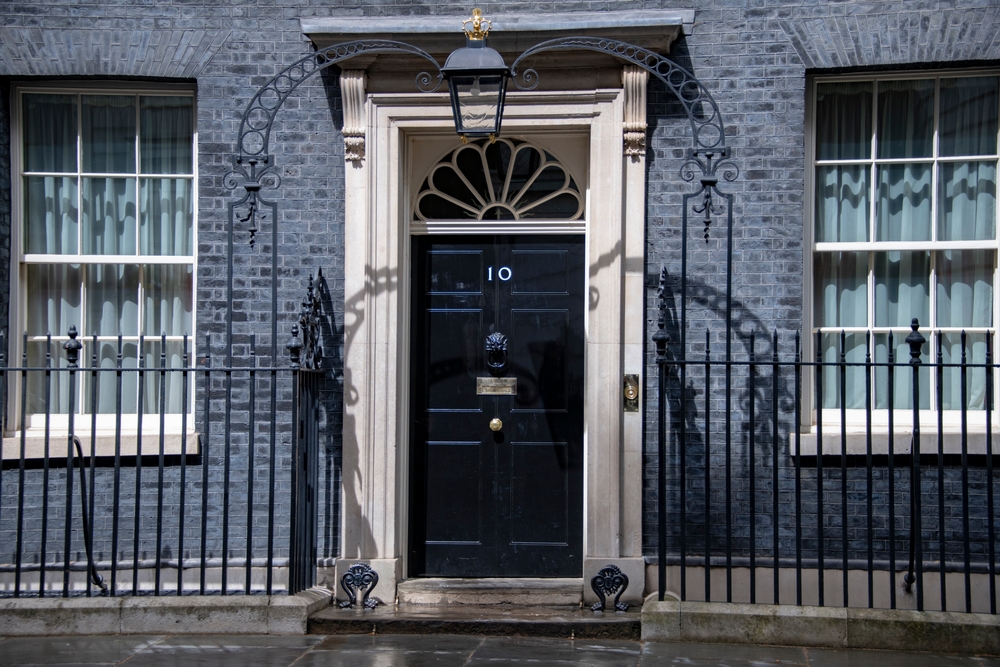
It’s barely two years since the Number 10 lectern was used by Rishi Sunak to call a general election in the pouring rain. The weather could hardly be more different today, but it seems increasingly likely that the lectern will be out again as Sir Keir Starmer is expected to announce a timetable, at least, for leaving.
Andy Burnham is waiting in the wings after his Makerfield by-election win, and while the currency markets don’t have a vote in leadership contests – indeed, neither do the British public – they often do react when a government looks like changing. So, sterling starts Monday with one eye on Downing Street and the other on the economy. The markets will also be listening closely to what Burnham says, in particular on hints as to who might be chancellor.
Burnham will be aware that part of Starmer’s problem was a perceived indecision, yet last week’s economic data was – and the irony will not be lost on the PM or his chancellor – unequivocally positive. Inflation down, unemployment down, interest rates held, earnings better than expected and retail sales up. This, and possibly the politics, led sterling to weaken a little against the euro and a lot (close to 2%) against the US dollar over the course of last week as it argues against an interest rate increase next month too.
The dollar was benefiting from a tougher Federal Reserve message after Kevin Warsh’s first meeting in the chair, which also held interest rates at 3.75%.
So the week begins with a mix of political drama and the ongoing Iran-US conflict, or not. Also to watch out for, the Purchasing Managers Index (PMI), a good global indication of business mood, arrives tomorrow. The public seems unfazed by continued conflict in the Middle East, but how about business? That will be followed later in the week by an influential measure of American inflation.
But before all that, markets will want to know who is likely to be leading the UK government.
GBP: Politics keeps sterling on edge
Sterling weakened through the latter part of last week as the Makerfield by-election results mixed with the economic data. Neither of those are necessarily negative for sterling, so it might just have been geopolitics and the on-off ceasefire in the Persian Gulf at play. This week the pound is likely to remain sensitive to headlines from Westminster. A clean coronation of Andy Burnham could calm the markets, but the pound has been remarkably resilient to these momentous events so far.GBP/USD: the past year
EUR: Confidence measures out this week
The euro enters the week with less political theatre than sterling, which is not the same as having no problems. Growth across the bloc remains patchy, and Tuesday’s flash PMIs will give markets a timely check on whether businesses are still feeling the pressure from higher borrowing and fuel costs. Watch out, too, for the ISM report on German business confidence and the GfK report on German consumer confidence. Both come out midweek.GBP/EUR: the past year
USD: Dollar still has the Fed behind it
Last week was highly positive for the US dollar, with 1 to 2% gains against all rivals. It is drawing support from the Federal Reserve’s harder edge, and this week’s test comes from a key inflation reading, the core PCR price index, watched closely by the Fed. A stubborn number would be likely to support the dollar even further, while a cooler one would reopen the argument.USD/GBP: the past year
For more on currencies and currency risk management strategies, please get in touch with your Smart Currency Business account manager on 020 3918 7255 or your Private Client account manager on 020 7898 0541.