 020 7898 0500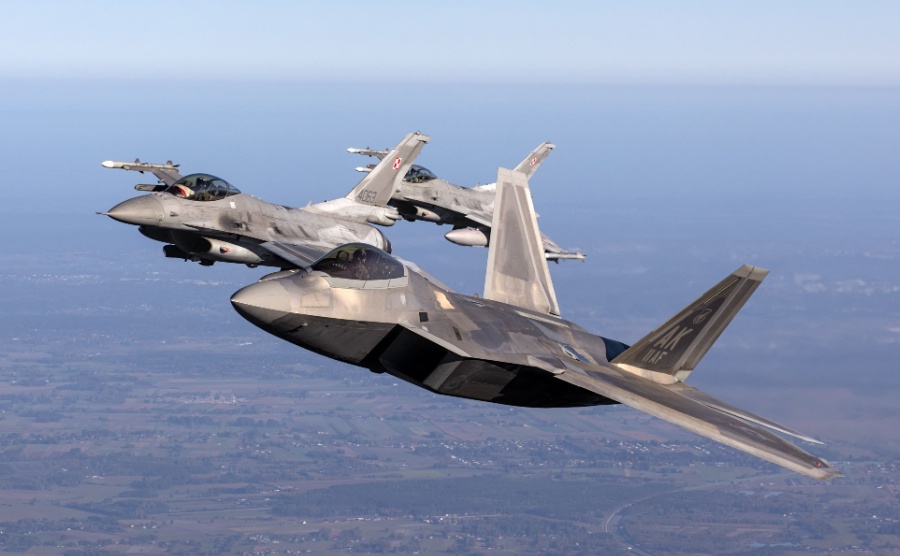
US warplanes are expected to be in action for four weeks
Markets go into Monday with one word on their mind: risk. The US and Israel’s strikes on Iran began early on Saturday, but hints had already hit the markets on Friday with a negative impact on sterling.
The main risk is oil. If the oil price spikes it will bleed into higher transport costs, inflation and a general “don’t take chances” mood.
That “risk-off” attitude usually has a familiar shape. Investors trim exposure to the more growth-sensitive corners of markets, tuck into defensive assets, and get picky about where they park cash. The dollar often benefits from that dash for safety, while currencies like sterling can feel the pressure if markets decide it’s a day for umbrellas rather than sunglasses.
Oil is the obvious transmission mechanism. The Strait of Hormuz is the market’s choke-point worry, and even a partial disruption narrative can keep a war-premium in the price. That matters for currencies because higher energy costs can revive inflation just when central banks would rather talk about easing. It also changes who looks “lucky” and who looks “exposed” in the global economy.
Away from geopolitics, the calendar ramps up quickly. Monday brings manufacturing readings across the globe, starting with Europe this morning and America this afternoon. Tomorrow we have inflation readings continuing across the eurozone, after Friday saw mixed results (above expectations in Spain and France but below in Germany) but nothing to alarm the markets too much.
Make sure any upcoming transactions are protected against the risks of sudden market movements. Secure a fixed exchange rate now with a forward contract; call your Business Account manager on 020 3918 7255 to get started.
GBP: Sterling starts the week on the back foot
Sterling ended Sunday night softer against both the dollar and the euro, reflecting that early risk-off tone. When markets get nervous, the pound is an effective barometer of sentiment – fine when confidence is high but weakening when the markets take fright. What matters next is whether the oil story stays contained. If crude surges and stays elevated, it feeds straight into the UK’s inflation.
GBP/USD past year
EUR: Euro squeezed between geopolitics and dollar’s pull
The euro has been pulled in two directions: a touch firmer against sterling, but softer against the dollar. That’s a familiar pattern when risk aversion is the dominant theme – the dollar takes the safe-haven oxygen, while Europe’s proximity to energy shocks keeps traders cautious. The near-term focus is energy and any sign of disruption around shipping routes. If the market starts pricing a longer-lasting oil shock, it can quickly turn into a growth worry for Europe and a headache for the European Central Bank’s next steps.
GBP/EUR past year
USD: Dollar leans into safe-haven demand
The dollar has started the week with investors leaning on it as the “default” shelter when headlines turn ugly. That’s helped it keep the upper hand against both sterling and the euro into Monday’s open. The wrinkle is oil. If higher crude starts to look sticky, it can keep inflation expectations uncomfortably warm and complicate the Federal Reserve outlook. Monday’s US manufacturing numbers are the first check-in, with jobs data later in the week likely to carry even more weight if markets stay tense.
USD/GBP past year
For more on currencies and currency risk management strategies, please get in touch with your Smart Currency Business account manager on 020 3918 7255 or your Private Client account manager on 020 7898 0541.