
 020 7898 0500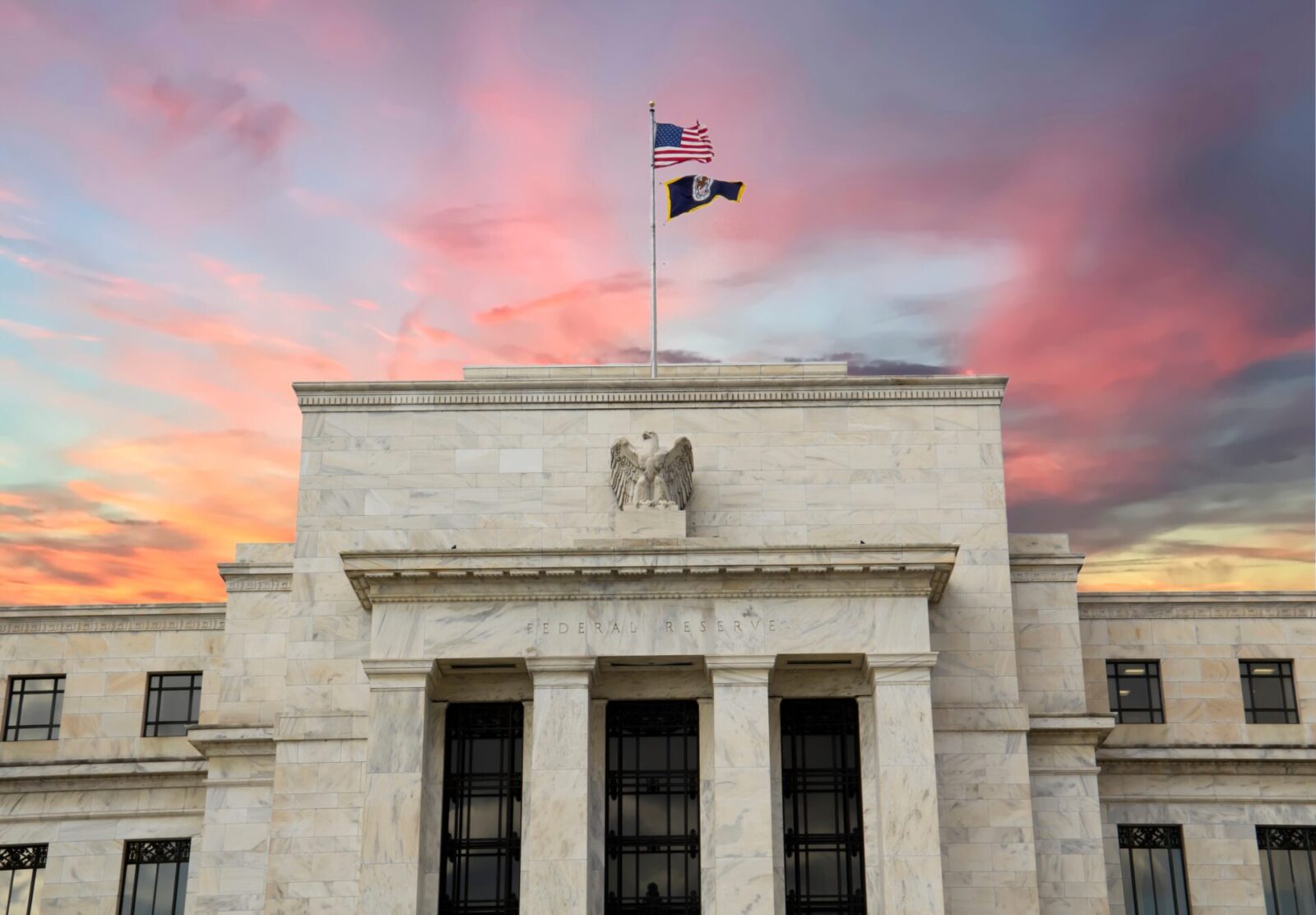
The Federal Reserve has done the thing markets expected, and then somehow still made everyone nervous. Policymakers held interest rates steady overnight, after a run of cuts late last year. The message was basically: we’re not in a hurry. That steadiness would normally calm the waters. This time, it hasn’t.
That’s partly because the US economy is sending mixed signals. Headline growth has been strong, but the mood on Main Street looks worse. Fresh survey data this week showed US consumer confidence falling hard, down to its weakest level in more than a decade. When households turn gloomy, markets start asking awkward questions about spending, jobs, and how long “resilient” really lasts.
Layer on politics, and you get the sort of cocktail the dollar tends not to enjoy. President Trump’s pressure campaign on the Fed hasn’t gone away, and the backdrop is still one of trade threats and policy unpredictability. Even when the Fed stands still, the market can’t help wondering what might lurch next.
In Europe, there was a rare bit of good news with some heft: the EU and India have concluded a long-running free trade agreement. It’s more of a medium-term story than a day-trader headline, but it matters. It’s about supply chains, investment, and Europe trying to build more options in a world that feels less friendly to global trade.
That divergence between high-level data and consumer sentiment has become a central theme for currency analysts. Equity markets have occasionally found reasons to cheer. But the underlying fatigue in the labour market — and the mounting cost of living for average Americans — are weighing on the dollar’s long-term outlook. The Fed’s “data-dependent” mantra gets harder to follow when the data itself is pulling in opposite directions.
The global shift toward regional trade blocs is accelerating. Traditional alliances are being tested. The EU–India deal serves as a counterbalance to the protectionist rhetoric coming out of North America. While the US focuses on domestic priorities and tariff barriers, other major economies are actively seeking new growth corridors. For the dollar, that’s a subtle but persistent erosion of its central role in global commerce.
Make sure any upcoming transactions are protected against the risks of sudden market movements. Secure a fixed exchange rate now with a forward contract; call your account manager on 020 3918 7255 to get started.
GBP: Pound stays supported as the dollar does the heavy lifting
Sterling has continued to look steady, helped along by a softer tone in the US dollar after the Fed decision. The pound’s move hasn’t been about a sudden burst of UK optimism as much as a lack of fresh UK negatives at the wrong moment. At home, the government’s push to cap ground rents has kept the political conversation pointed at housing and household costs. This feeds into the wider narrative around consumer pressure and policy choices as we wait for any Bank of England signals about how sticky inflation feels in early 2026.
GBP/USD: the past year
EUR: Brussels finds a trade win – the euro stays watchful
The euro has had a constructive backdrop from the landmark EU–India trade deal, which is the kind of strategic signal markets like to see as Europe tries to reduce its reliance on single partners. The euro was little moved against the pound on Tuesday. Thanks to a light schedule of economic data and some cautious commentary from the European Central Bank (ECB), there was little pricing impetus for the euro to move up or down. The ECB’s Martin Kocher said interest rates were “in a good place”.
GBP/EUR: the past year
USD: Shutdown threat piles on more pressure
Alongside the trade war and the Fed’s decision to hold rates steady, the US dollar is also suffering from the risk of a government shutdown by the end of this week. Democrats and Republicans are currently negotiating over a politically charged funding bill that contains funding for Immigration and Customs Enforcement (ICE). The odds of a partial shutdown surged near 80% on prediction sites by yesterday evening. This comes as fresh data shows US consumer confidence falling to its weakest level in more than a decade.
EUR/USD: the past year
For more on currencies and currency risk management strategies, please get in touch with your Smart Currency Business account manager on 020 7898 0500 or your Private Client Account Manager on 020 7898 0541.