 020 7898 0500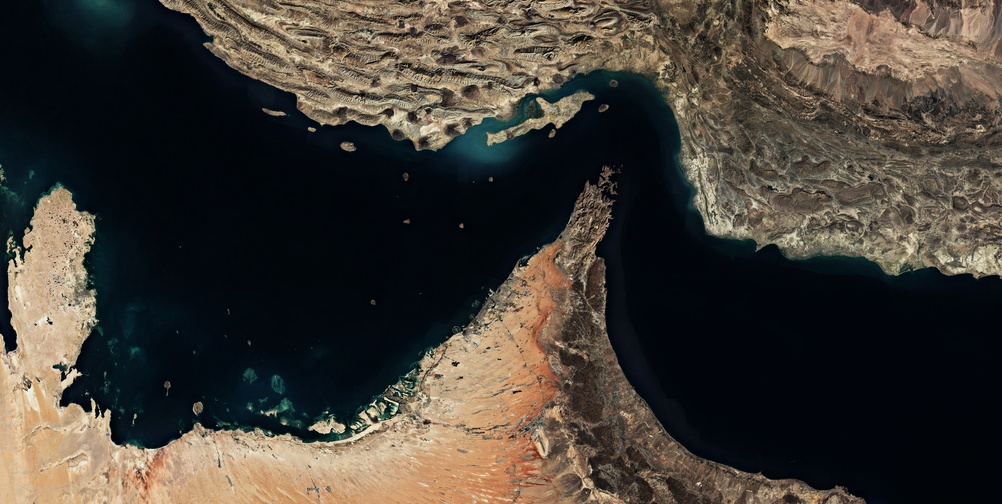
The narrow channel now setting the price of petrol, food and borrowing across three continents.
The pound is holding up nicely. No surprise there. It is close to its best level in a month against the US dollar and steadier against the euro. But this morning’s story is not really about the pound at all. It is about oil.
Crude has finally stopped climbing. After six days of gains, prices slipped back overnight, and this time it was not the Gulf doing the work. Both OPEC and the International Energy Agency cut their forecasts for how much oil the world will actually burn through this year, and the market took the hint.
None of which means the Strait of Hormuz has gone quiet. Talks to reopen the waterway are stuck. President Trump wants Iran to pay compensation for deaths going back decades, which came after Tehran asked to be paid for its own war damage. Both sides have now put something on the table the other will never agree to. So markets spend one day pricing in hope, the next pricing in doubt, then start all over again.
That kind of back and forth can change the cost of a transfer by thousands of pounds in a matter of days. If you have a payment coming up, you can lock in your rate for up to 12 months with a forward contract rather than hoping it goes your way.
Yesterday brought American inflation figures and they landed bang on forecast. Prices rose 0.1% over the month and 3.4% over the year. Take out food and fuel and the rise was the smallest since early 2021. Energy costs fell for the second month running.
Here is the catch. Energy still costs nearly 15% more than it did a year ago. That is why the figures look better on paper but nobody feels any better when the bill arrives.
It also explains something that looks odd at first glance. Central banks in Britain, Europe and America are all arguing about putting rates up rather than bringing them down. Traders did trim the odds of an American rise next month to a little over two in five. The dollar went up anyway. When a soft number fails to knock a currency, it usually means the market had already made its mind up.
So it comes down to one question, and none of this afternoon’s American figures will answer it. Is this the point where oil stops squeezing everybody, or just a quiet morning before the next headline out of the Gulf? Six days of gains built up a lot of pressure and one morning of falls does not release it. Until that is settled, household bills and interest rates in Britain, Europe and America are all still being decided in the Strait of Hormuz.
GBP: Growth gives Bailey a headache
The economy grew again in June, when most forecasters had pencilled in a flat month, and the annual pace came in a shade above expectations too. That hands something to the three members of the Bank of England's rate-setting committee who wanted to put rates up at the end of July and were outvoted. Governor Andrew Bailey has been playing down the idea that a rise is close, and mornings like this one make that a harder line to hold.
GBP/USD: the past year
EUR: Frankfurt has a choice
The euro usually gets treated as a bystander in August. Not this year. The European Central Bank put rates up in June for the first time since 2023, energy across the eurozone costs about a tenth more than a year ago, and its September meeting comes with a fresh set of forecasts attached.
GBP/EUR: the past year
USD: Hammack makes her case
The US dollar edged higher once inflation came in where everyone expected. Beth Hammack, who runs the Cleveland arm of the Federal Reserve, says the time to act is now and that waiting will only make the job harder and more expensive. Most of her colleagues look happy to sit on their hands until the autumn, so this afternoon's figures are the first real test of who has read it right.
USD/GBP: the past year
For more on currencies and currency risk management strategies, please get in touch with your Smart Currency Business account manager on 020 3918 7255 or your Private Client account manager on 020 7898 0541.