020 7898 0500
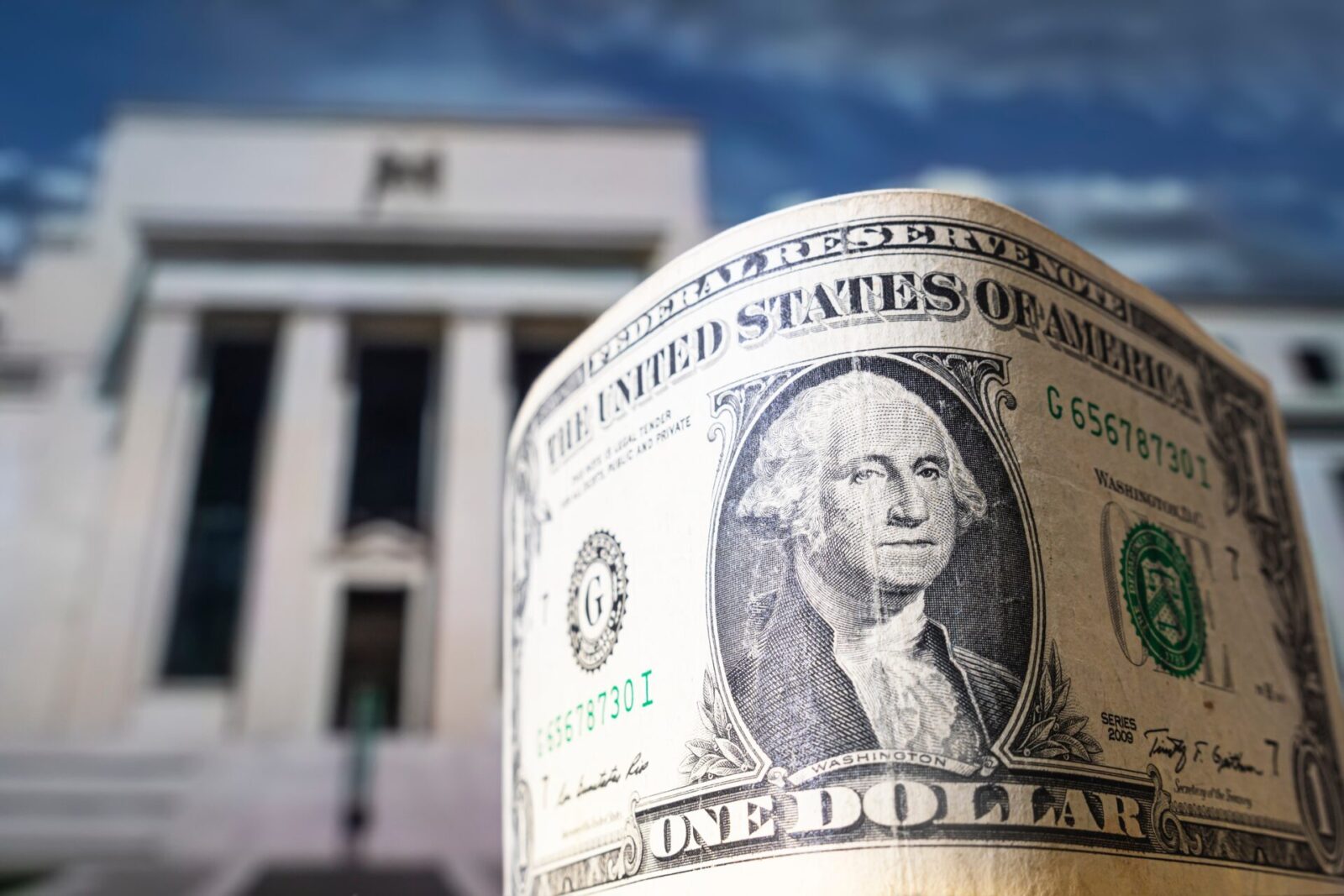
Minutes from the Federal Reserve show US policymakers weighing a larger interest rate rise in December.
The dollar is having the sort of week other currencies can only envy. Sterling has slipped to a one-month low against it, the euro is stuck near its weakest point since April last year, and last night the Federal Reserve handed markets another reason to keep buying.
The minutes of its October meeting showed that almost all policymakers believed further interest rate rises would probably be needed to bring inflation under control. A couple even raised the possibility of a bigger-than-usual increase in December if the next inflation figures prove uncomfortable. Which is not the sort of thing central bankers put in writing by accident.
Rates were left unchanged at 3.75–4% at that meeting, although two members voted for an increase. Markets were already expecting another rise before Christmas, but the minutes suggest some policymakers are prepared to go further if inflation refuses to settle down. That has helped the dollar climb to another 19-month high.
Oil, which might have been expected to add to the Fed’s inflation worries, did the opposite. Brent crude fell 1.3% on Wednesday despite renewed concerns about attacks on shipping in the Gulf. A larger-than-expected rise in US oil inventories outweighed fears of fresh supply disruption, with Brent ending the session at $91.95 a barrel. If cheaper oil lasts, it could take a little heat out of the inflation story. The dollar did not seem to notice.
Not every currency’s troubles are being made in Washington. Australian unemployment rose to a five-year high of 4.9% in October, sending the Australian dollar to a ten-month low. Meanwhile, Donald Trump, Xi Jinping and Vladimir Putin have gathered in Shenzhen for talks, with Iran, Ukraine and nuclear arms expected to feature. Any movement on Iran in particular could feed straight back into oil prices, and from there into inflation expectations on both sides of the Atlantic.
Which leaves the dollar riding high into a busy few days. This afternoon’s US jobs and manufacturing figures will offer another test of the American economy and whether expectations of further interest rate rises are justified. For sterling and the euro, both struggling to make headway against the greenback, there is little sign of relief just yet.
GBP: Rate expectations cool
The pound has fared better against the euro than the dollar, although it lost ground against both on Wednesday. The latest UK inflation report showed prices rising by 3.6% in October, but underlying inflation held at 2.8%, prompting markets to scale back expectations of another Bank of England rate rise in December. Tomorrow's retail sales and public finances figures will add the next pieces to that picture.GBP/USD: the past year
EUR: Inflation offers little comfort
The euro is still having a difficult time against the dollar, despite inflation across the eurozone reaching 4% in October. The final figures confirmed that energy costs accounted for almost half the annual rate. Higher inflation strengthens the case for further European Central Bank tightening, but expensive energy also threatens growth, leaving policymakers with an awkward balancing act and the single currency struggling for support.GBP/EUR: the past year
USD: Dollar faces its next test
The dollar may have the Federal Reserve on its side for now, but economic data still have the power to change the mood. US retail spending rose by just 0.2% in October, a sharp slowdown from September, raising questions about the strength of consumer demand. This afternoon's jobless claims and Philadelphia Fed manufacturing survey will offer a fresh indication of whether the economy can withstand another interest rate rise.USD/GBP: the past year
For more on currencies and currency risk management strategies, please get in touch with your Smart Currency Business account manager on 020 3918 7255 or your Private Client account manager on 020 7898 0541.