
 020 7898 0500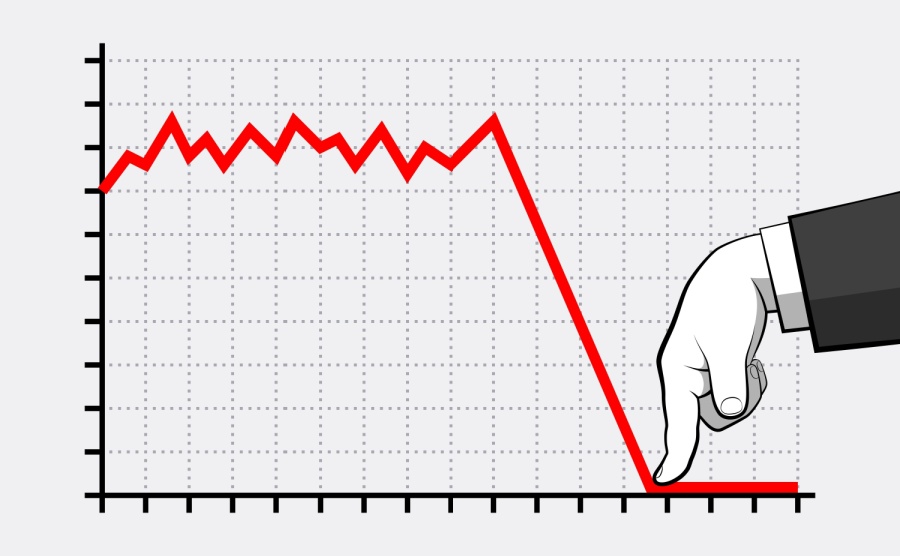
Econonomic growth has stalled, and the war in Iran won't help
The British economy was failing to grow and firms had stopped hiring even before the new oil crisis had struck, according to data released by the Office for National Statistics this morning. GDP flatlined in January, showing 0% growth where 0.2% had been predicted. There was also a 5.7% fall in hiring by UK businesses in January, with at least part of the blame being put on rising employment taxes.
The data might normally have sealed the deal on an interest rate cut from the Bank of England next week to boost the economy, but the rise in the price of oil due to the war in Iran makes such a cut much more problematic. Economists normally allow for an overall rise in inflation by 0.1 to 0.2% for each extra $10 on a barrel of oil, and the price of oil has in fact risen by $40 per barrel in two weeks, suggesting inflation rising well beyond the 2% target.
In the midst of all this sterling continues to dance around against the euro at close to an eight-month high. GBP/EUR has gained 0.7% over the course of this week, as the euro struggles against most major rivals, especially the resurgent Australian and Canadian dollars.
This morning’s economic news has helped to push sterling down further against the US dollar, and it has now weakened around 1.5% since Tuesday.
There’s continuing woe for the UK housing market as mortgage rates rose following the disappearing chance of an interest rate cut. This week the Royal Institution of Chartered Surveyors (RICS) survey sank again, as a majority of surveyors were pessimistic in their expectations for house prices and sales activity.
The Bank of England’s problems don’t end there. It was also under fire from some quarters for a decision to replace famous Britons on the banknotes with wildlife images. This followed a public consultation.
Make sure any upcoming transactions are protected against the risks of sudden market movements. Secure a fixed exchange rate now with a forward contract; call your Business Account manager on 020 3918 7255 to get started.
GBP: Pound-euro stays strong as markets look for clues
Sterling-euro remains an oasis of relative calm amid febrile and volatile global currency movements, while GBP/USD continues to fall. This morning’s GDP figure has certainly come as a disappointment for the government but joins a long line of data points that look less important given the subsequent rise in energy prices and their likely knock-on effect to inflation and interest rates. There is a bit more data to come before the Bank’s rate decision next Thursday, but events in the Middle East (or on Trump’s polling data) are just as likely to be influential.
GBP/USD past year
EUR: Losses continue for euro
The euro continues to be one of the biggest losers from the mining of the Straits of Hormuz and subsequent oil price rises, especially against the US dollar, which it has lost some 1.5% against since Tuesday and has reached its weakest since last summer. We’re getting final inflation data coming through shortly and next week, and on Tuesday the influential ZEW Economic Sentiment Indexes for Germany and the eurozone.
GBP/EUR past year
USD: Dollar stands as last safe haven
It was a strongly positive day for the US dollar as hopes for a rapid end to the “largest oil supply crisis ever”, according to the International Energy Agency, faded. With the euro weakening and Bank of Japan considering a move on interest rates, the US dollar is gaining from the risk off mood. We’ve got some high-level data out this afternoon, including JOLTs Job Openings and Michigan Consumer Sentiment Index, although the latter, at least may already feel out of date.
USD/GBP past year
For more on currencies and currency risk management strategies, please get in touch with your Smart Currency Business account manager on 020 3918 7255 or your Private Client account manager on 020 7898 0541.