
 020 7898 0500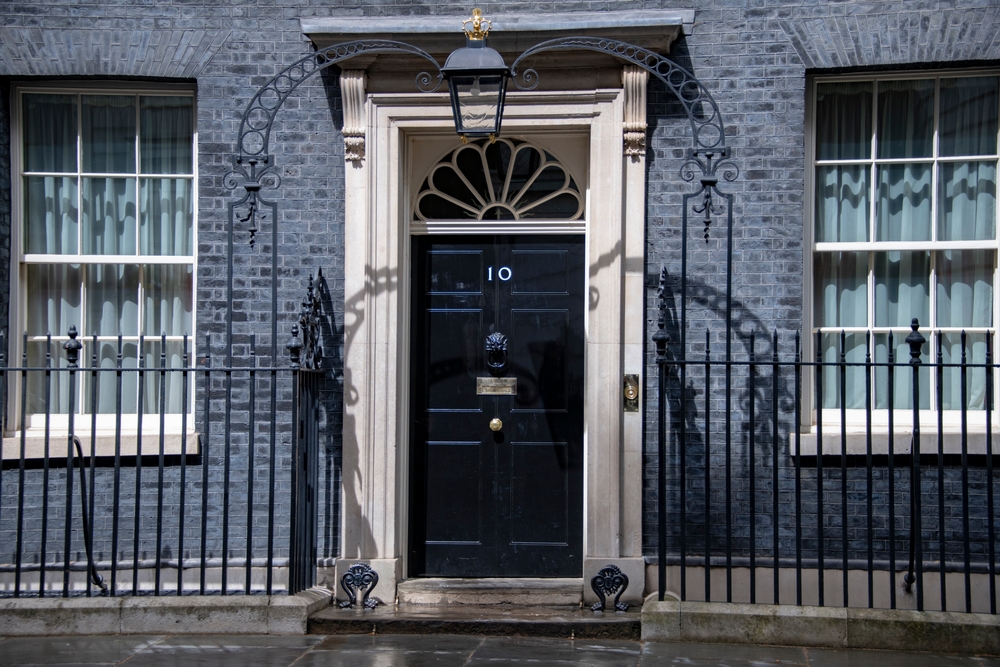
Andy Burnham enters Downing Street today with promises of stability. Currency markets, unfortunately, have chosen a rather less orderly backdrop for his arrival.
The new prime minister is expected to begin announcing his cabinet after meeting the King. Investors will be watching one appointment above all others. The identity of the next chancellor will offer the first real clue about how firmly the new government intends to stick to existing spending and borrowing rules.
That question has become more urgent after another escalation in the Middle East. Fresh attacks around the Strait of Hormuz pushed oil higher again, threatening to raise costs for households and businesses across Europe. It is an awkward first-day problem for a government hoping to talk about growth and easing pressure on living standards.
Sterling weakened against both the euro and the US dollar in the latest session. The move was modest, but it showed that markets are not yet prepared to give the new government the benefit of the doubt. The pound now needs reassurance on fiscal policy just as rising energy prices muddy the outlook for inflation and interest rates.
The euro is facing the same oil problem ahead of this week’s European Central Bank meeting. The US dollar, meanwhile, has found some support from the more cautious mood. Even so, expensive energy could make the Federal Reserve’s next decision more complicated rather than more straightforward.
Attention now turns to Burnham’s cabinet choices, Wednesday’s UK inflation figures and Thursday’s ECB decision. Together, they should give markets a much clearer idea of whether this week’s political reset can survive a renewed economic shock.
GBP: Cabinet choices take centre stage
Sterling started the week on the back foot as investors waited for details of the new government. Burnham’s arrival had been widely expected, so the ceremony itself offered little fresh support. The greater test will be whether his choice of chancellor reassures markets on tax, spending and borrowing. Wednesday’s inflation figures will then show whether higher energy costs are beginning to complicate the Bank of England’s next move.GBP/USD: the past year
EUR: Energy risk clouds ECB week
The euro gained ground against the pound but slipped against the US dollar in the latest session. That left it caught between UK political uncertainty and a broader move towards the American currency. The ECB meets on Thursday after raising interest rates in June. Policymakers have already warned that prolonged disruption to energy supplies could lift inflation and weaken growth at the same time. This week’s oil surge makes that warning feel rather less theoretical.GBP/EUR: the past year
USD: Dollar steadies as caution returns
The US dollar strengthened against both sterling and the euro as conflict around the Strait of Hormuz worsened. Investors often favour the dollar when the global mood turns more defensive, and Monday’s headlines provide plenty of reasons for caution. However, the picture is not entirely comfortable for the Federal Reserve. Higher oil prices could revive inflation pressure just as recent US price data had begun to look calmer. Markets will therefore be watching upcoming economic indicators for signs that the energy shock is spreading.USD/GBP: the past year
For more on currencies and currency risk management strategies, please get in touch with your Smart Currency Business account manager on 020 3918 7255 or your Private Client account manager on 020 7898 0541.