020 7898 0500
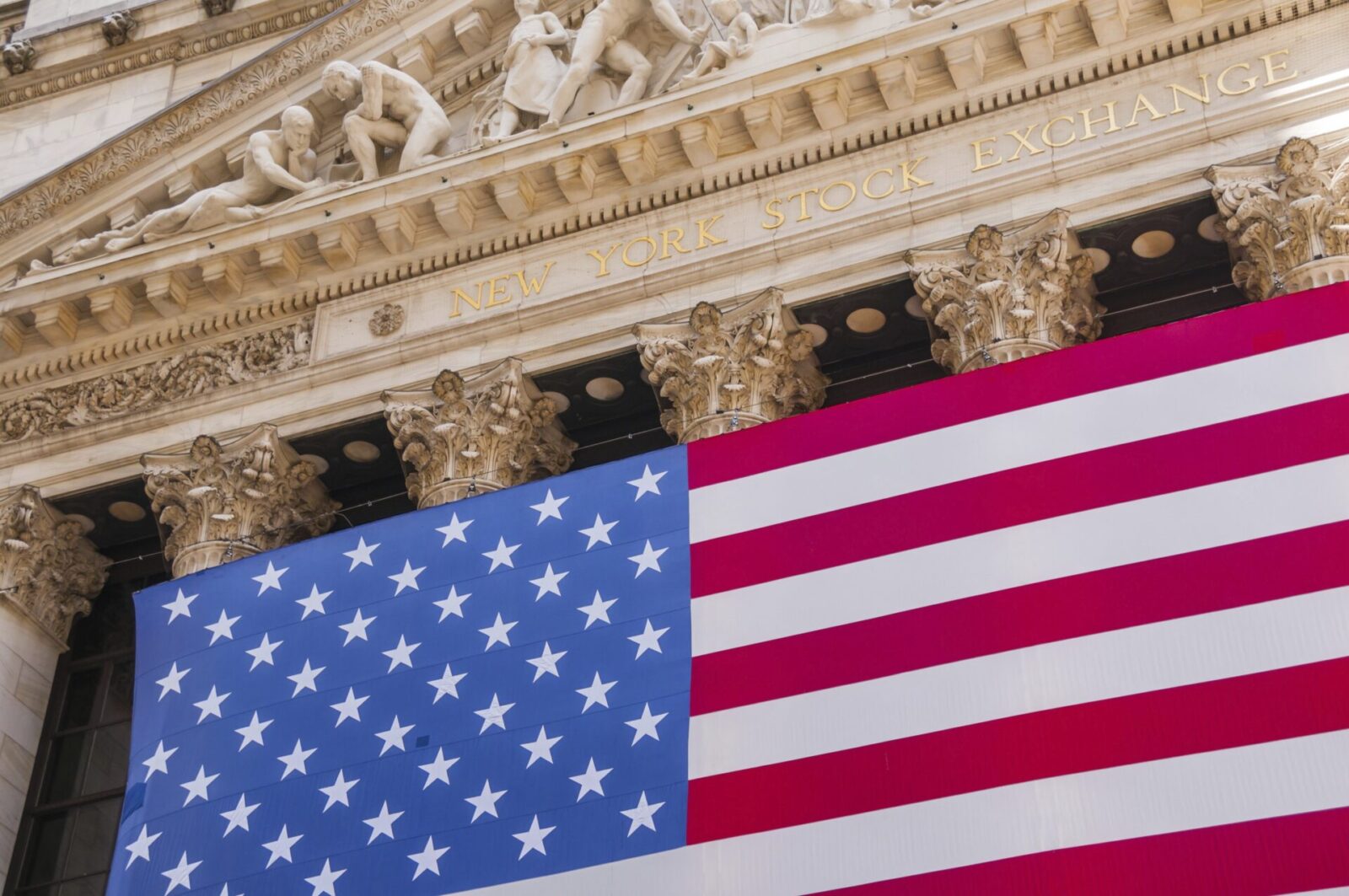
Wall Street rallied sharply following the US midterm elections, while the dollar lost ground.
Wall Street ended Wednesday with a bang as investors welcomed the Democrats’ sweeping midterm victory. The Dow Jones jumped 1,569 points, or 3%, in its biggest one-day rise since April 2025. The US dollar moved in the opposite direction, while sterling held close to its highest level in seven weeks.
It was an extraordinary reversal from the early hours of Wednesday, when fears of tighter regulation sent stock futures tumbling. Investors appear to have decided that the certainty of the election result outweighs the risks of a divided Washington. With Democrats controlling Congress from January, Donald Trump faces much greater obstacles to pushing through his domestic agenda.
The biggest reaction came in the oil market. Brent crude plunged 8.7% to $94.62 a barrel on Wednesday and continued to fall in Asian trading overnight. Investors are betting that the Republican defeat could increase pressure on Trump to bring the war with Iran to an end. The president acknowledged that the conflict had contributed to his party’s defeat, although a diplomatic breakthrough remains far from certain.
Not everyone shared Wall Street’s enthusiasm. Technology stocks suffered further losses across Asia, with South Korea’s chip-heavy stock market falling sharply. Democratic candidates have promised tougher scrutiny of the enormous investment going into artificial intelligence and data centres, raising concerns that one of the biggest drivers of US economic growth could face new restrictions.
The dollar’s losses continued overnight as falling US Treasury yields added to the pressure. The euro briefly reached a one-month high against the greenback, while sterling’s recent run took it above $1.35 on Wednesday. Both currencies have benefited from expectations of further interest rate rises at their respective central banks.
That brings us to today’s main event for the pound. The Bank of England is widely expected to raise interest rates from 3.75% to 4% at noon, its first increase since 2023. With yesterday’s eurozone inflation figures reaching 4%, policymakers on both sides of the Channel still face an uncomfortable balancing act between stubborn inflation and economic growth.
GBP: All eyes on the Bank
Sterling goes into today's interest rate decision close to its recent highs against the euro and dollar. Yesterday's services survey showed activity growing at its fastest pace in eight months, although companies also reported sharper cost pressures. A quarter-point rate rise is widely anticipated, leaving the Bank's guidance on further increases as the biggest potential surprise.GBP/USD: the past year
EUR: Inflation refuses to budge
The euro strengthened against the dollar as October's inflation estimate came in at 4%, up from 3.8% in September. Energy prices rose by 20.8% over the year, although underlying inflation remained steady at 2.5%. Markets continue to expect the European Central Bank to raise interest rates again in December.GBP/EUR: the past year
USD: Mixed signals beneath the headlines
The dollar's political troubles have overshadowed some relatively encouraging economic news. Private employers added 86,000 jobs in October, beating expectations, although the services sector expanded slightly more slowly than in September. Tomorrow's official employment report will offer a fuller picture of the US labour market.USD/GBP: the past year
For more on currencies and currency risk management strategies, please get in touch with your Smart Currency Business account manager on 020 3918 7255 or your Private Client account manager on 020 7898 0541.