 020 7898 0500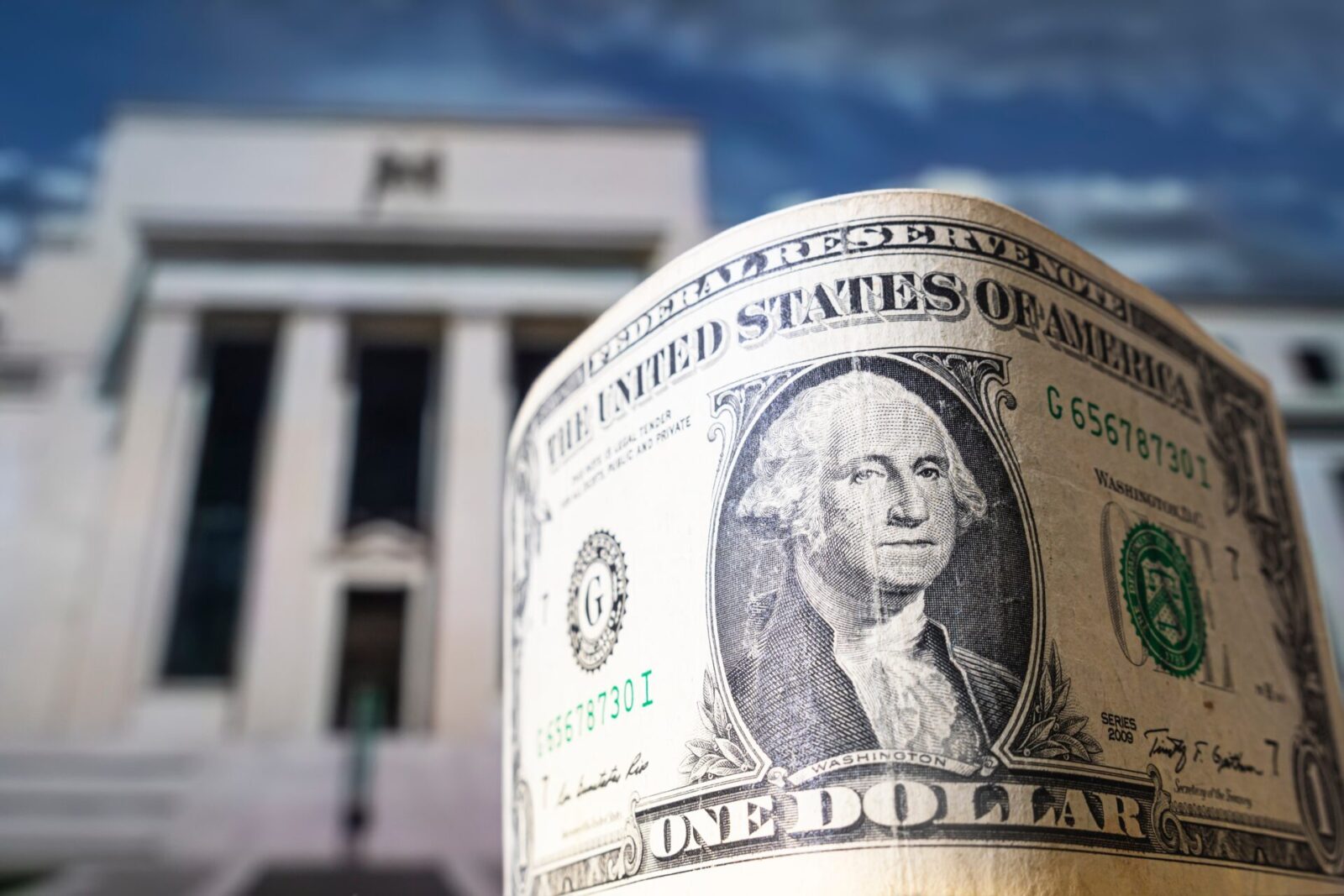
The yield on ten-year US government debt rose to its highest level since 2002 on Wednesday.
Sterling is having a good week and it has very little to do with Britain. The pound climbed to its best level against the US dollar in three months, while the euro reached its strongest since late spring. Both were passengers. The story is the dollar, and specifically what it now costs the American government to borrow money.
This week the total US national debt passed $40 trillion for the first time. Within a day, the interest rate Washington pays to borrow over 30 years had climbed to its highest in about 19 years. Two numbers like that landing together tend to concentrate minds.
Then the Treasury moved. Secretary Scott Bessent announced the government would double the size of its regular buybacks of older long-dated debt, from $2 billion to at least $4 billion at a time. This is plumbing rather than policy, meant to keep the market for American government debt running smoothly. Lenders read it as a sign that someone in Washington is paying attention, and the borrowing rate dropped back. So did the dollar.
The Federal Reserve’s minutes arrived a few hours later and barely registered. They showed a committee that had held rates in late July by nine votes to three, with all three dissenters wanting an increase and nobody at all arguing for a cut. On any other day that would have lifted the dollar. But the meeting was three weeks ago, inflation has cooled and the jobs figures have softened since, so markets filed the whole thing under history.
The one thing keeping central bankers awake is still coming out of the ground in the Gulf. Brent crude has now climbed for four sessions and is holding near $92 a barrel, with the American naval blockade of Iran still in place and eight attacks on ships reported in the Strait of Hormuz this month. The United Arab Emirates suspended all trade with Iran overnight. Higher energy costs are exactly what pushed British inflation back up to 2.9% in July. They will not stop at Britain.
So Thursday opens with an awkward question. Is the dollar sliding because the Federal Reserve will eventually have to cut rates, or because the people who lend America money have started asking for more? Today’s weekly US unemployment claims are the first small test. Tomorrow brings business surveys on both sides of the Atlantic, and they will say rather more about growth than any minutes written three weeks ago.
Make sure any upcoming transactions are protected against the risks of sudden market movements. Secure a fixed exchange rate now with a forward contract; call your Business Account manager on 020 3918 7255 to get started.
GBP: The Budget waits offstage
Sterling's three-month high against the dollar flatters it a little, because Britain has its own version of the same problem. The rate the UK government pays to borrow over 30 years is close to its highest in decades, which leaves Andy Burnham's first Budget with less room than his party would like. Friday's retail sales figures and business surveys will show whether the shopper is still turning up.
GBP/USD: the past year
EUR: Frankfurt leans the other way
The euro is at its strongest against the dollar since late spring, and for once that owes something to Europe rather than everything to America. Eurozone inflation edged up to 2.9% in July and the European Central Bank has already raised rates once this summer, so markets increasingly expect another move in September while the Federal Reserve sits still. Friday brings the eurozone's own business surveys and the latest reading on negotiated pay, which is the figure Frankfurt watches most closely.
GBP/EUR: the past year
USD: Warsh takes the stage
A rate-setting committee split three ways is one thing; a chairman who dislikes telling anyone what he intends to do is quite another. Kevin Warsh gives his first Jackson Hole address as Federal Reserve chair next Friday, at a symposium themed around payments and financial innovation rather than the state of the economy. Since taking over in May he has trimmed back the Fed's habit of signalling its intentions in advance, so anyone hoping for a clear steer on September may go home disappointed.
USD/GBP: the past year
For more on currencies and currency risk management strategies, please get in touch with your Smart Currency Business account manager on 020 3918 7255 or your Private Client account manager on 020 7898 0541.