 020 7898 0500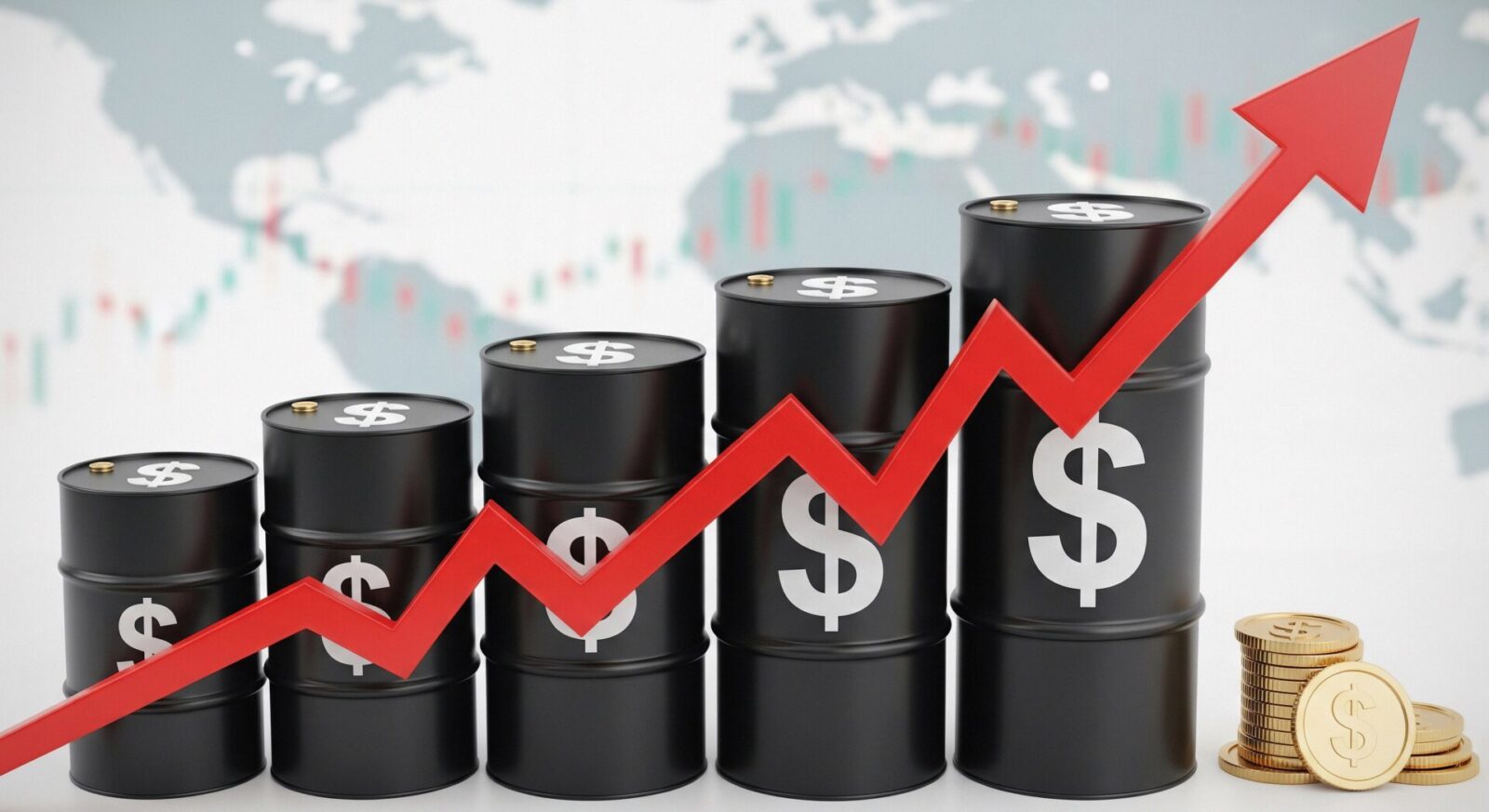
It lasted less than twelve hours. Yesterday’s ceasefire optimism was torn up overnight after Donald Trump’s first primetime address on the Iran war.
Speaking from the Oval Office, the president declared the conflict was “nearing completion” but pledged two to three more weeks of “extremely hard” military strikes. He gave no withdrawal timeline. He warned that without a deal, the US would target all remaining Iranian power plants and oil infrastructure. Markets had rallied hard on Tuesday. They reversed sharply.
Oil told the story most clearly. Brent crude had dipped below $100 a barrel on Tuesday as peace rumours swirled. By early Wednesday it had jumped more than 5% back above $105. The Strait of Hormuz remains effectively shut, with only six vessels crossing on Tuesday. Around 2,000 ships are stranded in the region and analysts warn that clearing the backlog will take months, even after the strait reopens.
The dollar strengthened as investors moved back into safe-haven positions, pushing the pound and euro lower. Sterling gave back much of Tuesday’s recovery against the dollar but remains above the four-month lows touched at the end of March. Against the euro, the pound is broadly flat near its weakest level since early March.
The timing is brutal for UK businesses. Yesterday marked the start of the new tax year, bringing higher employer national insurance contributions, the loss of hospitality business rates relief and a higher national living wage. Those cost increases arrive alongside a manufacturing purchasing managers’ index (PMI) showing input price inflation at a 41-month high and production falling for the first time in six months. Rising costs at home and an energy shock from abroad are squeezing many firms from both sides at once.
Across the Atlantic, the picture is similarly uncomfortable. The ISM manufacturing PMI came in at 52.7, showing factory output still expanding, but the prices-paid component surged to its highest level since mid-2022. Private-sector hiring slowed to just 62,000 in March according to ADP, well below the pace seen earlier in the year. Non-Farm Payrolls land on Good Friday when markets are shut. Any surprise will sit undigested until Monday, the same day Trump’s deadline for escalated strikes on Iran’s energy grid expires.
That convergence of risks on 7 April makes the start of next week one of the most event-dense sessions in recent memory. Until then, currencies are likely to remain volatile and headline-driven.
Make sure any upcoming transactions are protected against the risks of sudden market movements. Secure a fixed exchange rate now with a forward contract; call your Business Account Manager on 020 3918 7255 to get started.
GBP: Costs rising on all fronts
The pound is caught between two sets of bad news. At home, higher employer NICs, the end of business rates relief and surging wholesale energy costs have arrived just as the UK manufacturing PMI showed input costs rising at their fastest pace in more than three years. Abroad, renewed risk aversion after Trump’s speech is keeping the dollar bid and leaving sterling struggling for support. The next key data point is the March consumer price index (CPI) on 22 April, the first reading to capture the full impact of the energy shock.
GBP/USD: the past year
EUR: ECB hawks circle as rate hike talk builds
While yesterday’s eurozone inflation data came in below the market’s worst fears, the jump to 2.5% from 1.9% in February was enough to sharpen the tone from the European Central Bank. Several Governing Council members have now publicly floated the possibility of a rate increase as early as the 29 April meeting, with Bundesbank President Nagel calling it “an option” and Belgium’s Pierre Wunsch saying a hike is “not out of the question.” Core inflation actually fell, suggesting the surge is energy-driven rather than broad-based, but the ECB appears unwilling to wait for proof of that before acting. For the euro, hawkish rate expectations are providing support against the pound and limiting losses against the dollar.
GBP/EUR: the past year
USD: Factories booming, prices surging
The dollar firmed overnight as risk aversion returned, but the domestic data picture is becoming harder to read. The ISM manufacturing PMI rose to 52.7, its strongest level in months, yet the prices-paid index surged to 78.3. That is the highest since June 2022, with 17 of 18 industries reporting higher input costs. ADP’s March employment report showed private-sector hiring of just 62,000 jobs, adding to the evidence of a softening labour market. Friday’s Non-Farm Payrolls land when markets are shut for Good Friday. Any shock will hit trading floors on Monday morning alongside that Iran deadline.
USD/GBP: the past year
For more on currencies and currency risk management strategies, please get in touch with your Smart Currency Business account manager on 020 3918 7255 or your Private Client account manager on 020 7898 0541.