
 020 7898 0500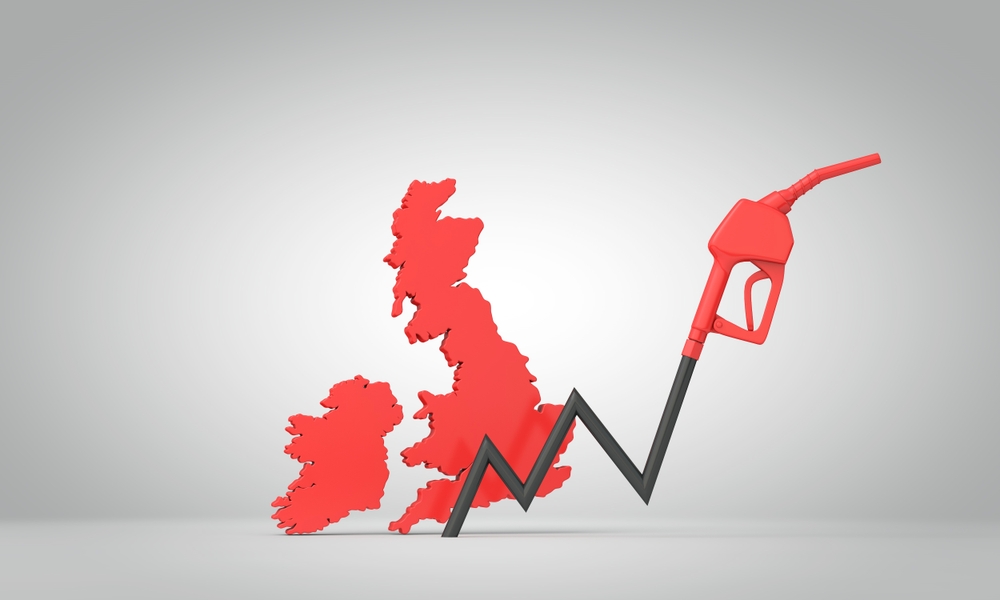
UK consumers are facing high petrol prices as the impact of war in the Middle East bites.
Petrol prices at UK service stations hit their highest level since late 2023 on Monday as the crisis in the Middle East continued to dominate proceedings.
According to the RAC, the average petrol price has now topped 152 pence per litre, adding to the economic strain on households. The key Brent crude oil index climbed by 3% to $114 per barrel before easing slightly yesterday afternoon.
If households and businesses were looking for signs that the conflict would end soon, they were disappointed on Monday. US president Donald Trump hailed “progress” in negotiations with Iran, but warned he would not hesitate to strike oil wells and desalination plants if the strait of Hormuz wasn’t opened soon.
Stock markets did start Tuesday on the front foot, largely thanks to a report in the Wall Street Journal that claimed President Trump was willing to end the war with Iran rather than pursue a forcible reopening of the strait of Hormuz. The obvious flaw with this plan is it would do little to help oil prices in the short term, but markets viewed it as a positive, nonetheless.
Sterling struggled to build any momentum as events in the Middle East overshadowed proceedings. The pound and the euro hit their lowest levels in two weeks against the US dollar, underscoring the risk off mood.
We did just hear than house prices in the UK increased by an annualised 2.2% in March, per the Nationwide study. That was well above the expected 1.5% increase and marked a positive outcome amid significant uncertainty.
The Japanese yen strengthened to start the week as government officials indicated it was poised to intervene in currency markets. After opening at its weakest level against the US dollar since 2024, Japan’s central bank also made fielded questions about possible rate hikes to combat persistent yen weakness.
Make sure any upcoming transactions are protected against the risks of sudden market movements. Secure a fixed exchange rate now with a forward contract; call your account manager on 020 3918 7255 to get started.
GBP: Borrowing costs ease
There hasn’t been much to cheer for sterling sellers lately, but an easing in government borrowing costs contributed to a calmer session on Monday. After approaching a post-2008 high, bond yields have fallen as traders trim the number of interest rate hikes they see from the Bank of England this year. Yields move inversely to prices.
GBP/USD: the past year
EUR: A sign of things to come?
Germany was the first major economy to report inflation data for March, when the war in Iran broke out. Headline consumer price inflation increased by an annualised 2.7%, far above the 1.9% recorded in February. Italy, France and the Eurozone are also expected to record big inflation jumps when their own data is released later this morning.
GBP/EUR: the past year
USD: Key week for haven status
This afternoon’s JOLTs job openings data is a crucial moment for the US dollar. In fact, the entire week presents risks to the US dollar’s safe-haven status, with retail sales, unemployment data and a manufacturing report providing a timely health check on the economy.
EUR/USD: the past year
For more on currencies and currency risk management strategies, please get in touch with your Smart Currency Business account manager on 020 7898 0500 or your Private Client Account Manager on 020 7898 0541.