 020 7898 0500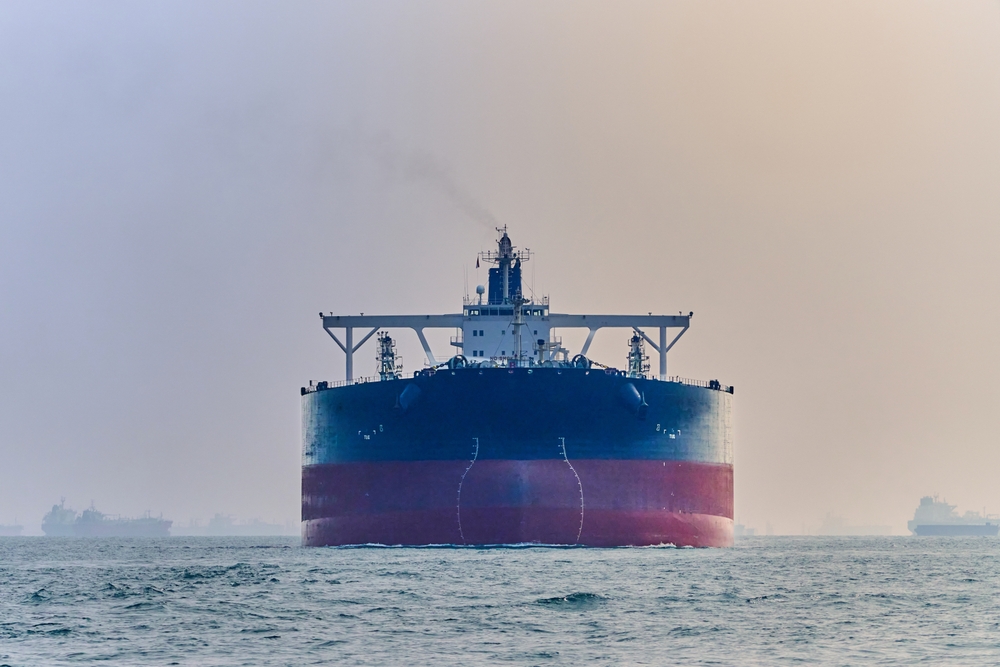
Choked oil and gas supplies have cause stagflation fears among UK businesses.
The conflict in the Middle East has led to surging oil prices across the world, prompting concerns that Britain’s economy and small businesses will take a major hit. Oil recorded its largest intra-week movement since at least the 1980s, according to Bloomberg, with Brent Crude at one point topping $120 per barrel – more than $40 above where it began March.
Higher input costs for things such as energy, transportation and production will inevitably squeeze margins across industries. As we saw after Russia’s invasion of Ukraine in 2022, there is also a risk that higher prices snowball into a period of runaway inflation, where a price rise in oil leads to knock-on increases in a wide variety of goods and services.
That might not happen in 2026. But during this period of uncertainty, businesses are worried that they will again suffer from the impact of conflict and supply chain disruption.
How have oil prices moved during the conflict?
Closely watched benchmarks such as West Texas Intermediate and Brent Crude bubbled higher in the weeks leading up to the conflict. With Donald Trump testing the military waters, investors were concerned that strikes against the Iranian regime would lead to regional instability and retaliation. Iran had few strategic levers it could pull in the event of an attack, meaning it would likely look to oil and gas logistics as well as water salination plants to exert economic pressure on the West.
Sure enough, that’s what happened. Iran struck refineries in the Gulf and essentially closed tanker traffic in the region. Oil prices soared in response, particularly in the early stage of the war where it appeared the United States and Israel were committed to effecting regime change, an unprecedented progress without boots on the ground that many analysts believed was impossible.
You can see just how sharply markets moved in the chart below. At the time of writing, trading is still extremely volatile and sensitive to news as it arrives.
The main reason for the sudden movement in prices is the vital Strait of Hormuz. This narrow channel sees more than a third of the world’s oil supply move through it on a daily basis, making it a vital choke point in global supply. Consumers in the United States – a net energy exporter theoretically more shielded from price shocks – reported an additional 50 cents to every gallon they put in their cars over the weekend. British consumers reported similar movements, and although it may take up to six months for higher prices to fully feed through, it was remarkable how quickly people in the West felt the war in their wallets.
Stagflation fears spread
The severity of the market reaction has led to a recalibration of the interest rate outlook among major rate setters. In Europe, both the euro and the pound came under pressure as traders bet that the European Central Bank would have to hike and the Bank of England would have to put its easing cycle on pause, possibly for as long as a year.
Of course, these assumptions are predicated on the price of oil staying high for a period of time. Should one of the more severe scenarios play out, one in which oil stays around $100 to the barrel for a year or longer, economists project this would weigh knock as much as 0.5% off UK economic growth across 2026. With yet another cost-of-living strain, consumers would be less willing to spend, input costs would go up, and UK companies would more than likely feel the pain on their balance sheet and free cashflow.
In response to the crisis, the G7 group of advanced economies considered releasing strategic oil supplies in an effort to calm the markets. They have done those on two previous occasions, but it is considered a drastic measure and one that can counterintuitively increase anxiety. For now, it has opted against that. But governments will be eager to support their economies, even if it means large fiscal injections.
The impact of the Middle East conflict on the UK
Accurately forecasting the impact of the conflict is tricky. That’s because things are still at a volatile stage and the White House has not exactly shown us where and how this conflict will end.
However, British businesses are rightly worried about the impact on their profits and cashflow. Businesses up and down the country scrambled to unwind pre-existing currency positions to start the month. Similarly, they were forced to tear up carefully constructed budgets that assumed a certain price for goods and a certain value for receipts.
This was complicated by FX volatility. Sterling and the euro weakened against the US dollar as investors viewed the oil crisis as a tax on consumers that would both dampen growth and add several percentage points to inflation. The pound has since recovered, although another twist in this story is far from out of the question.
GBP/USD: March 2026
Overcoming the Middle East crisis
The West has been here before. After the infamous energy crisis of the late 1970s that led to unemployment, inflation and weak growth, another conflict with Iran has long been the nightmare scenario for economic strategists. Businesses have similar fears and are voicing their concerns of the catastrophic impact of a long confrontation.
Sensitive to market movements, Trump has since indicated the war is close to an end and that his military objectives (whatever they were) had been achieved faster than expected. The issue is that he may change his mind again, or indeed that Iran will descend into chaos or choose to order more retaliation across the region.
The risks to your profits are clear, but the good news is that proper treasury management can protect your business from the mayhem. Whether it’s market orders, options or simple forward contracts, Smart Currency Business will implement bespoke solutions that help you meet your objectives. Unlike other providers, we work alongside you to protect your business right the way through the risk management process, from risk identification and trade execution right the way through to ongoing support and monitoring.
Register with Smart Currency Business today or request a call back from our team to discuss how our comprehensive solutions can help you overcome the ongoing crisis.