 020 7898 0500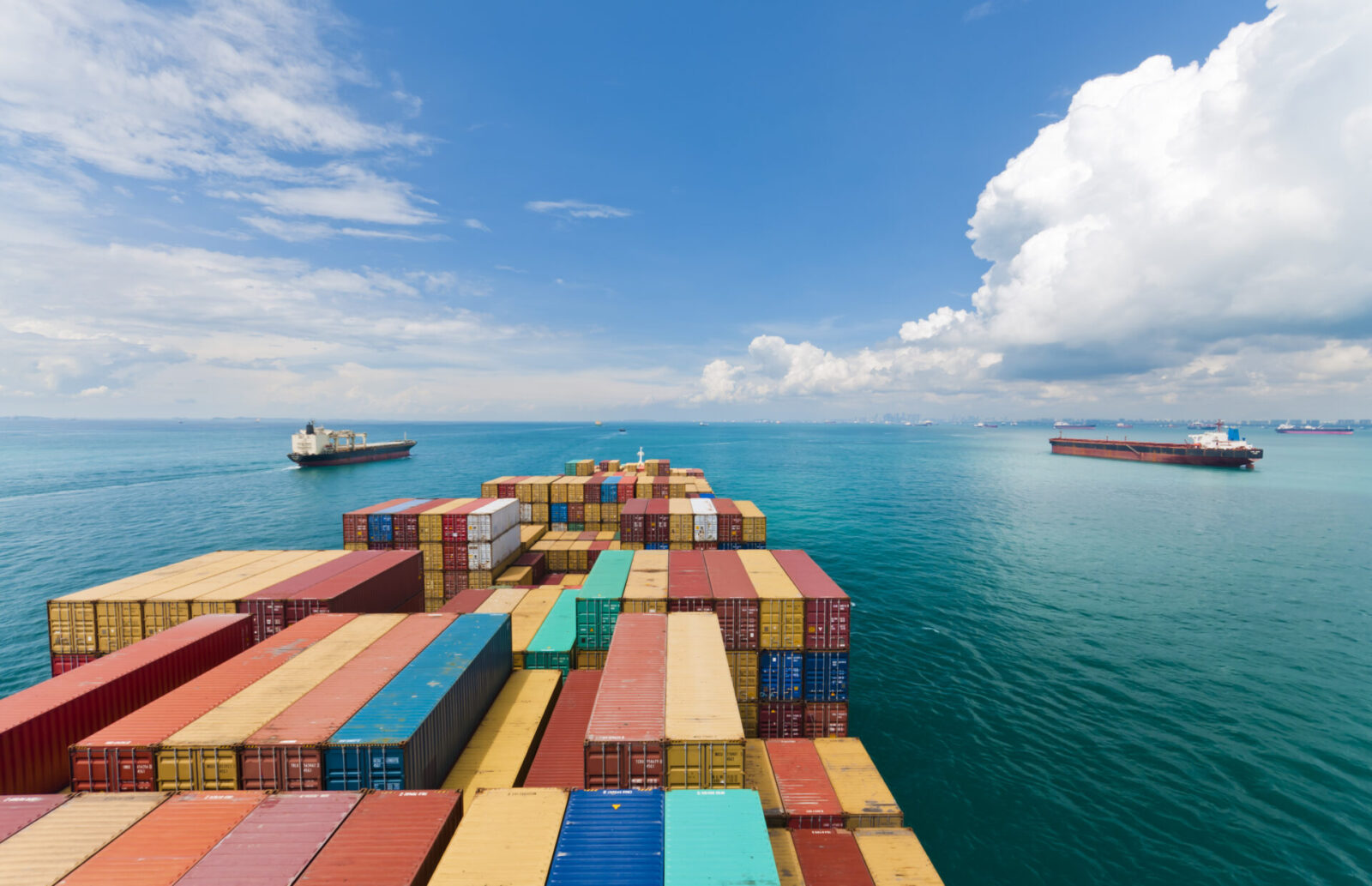
The energy crisis has squeezed cash and margins for many UK businesses.
Last updated: 9 September 2026
War in the Middle East is once again forcing its way up the list of risks facing British businesses.
The impact on energy markets has been well documented. At the time of writing, brent crude has moved back above $100 for the first time since July as fighting intensified around the Strait of Hormuz, reviving fears of another major supply shock. The consequences reach far further than the price people pay at the pump.
Higher transport costs, shortages of materials, longer delivery times and renewed inflationary pressure are working their way through supply chains, with significant implications even for business only indirectly exposed to overseas markets.
The Bank of England estimates that roughly half of UK production involves the sourcing and sale of intermediate inputs (i.e. goods used in the production of other goods or services). Meanwhile, the latest Office for National Statistics survey found that 29% of businesses with ten or more employees were concerned about international conflict affecting their supply chains over the coming year.
For finance teams, that uncertainty ultimately lands in the same place: cashflow.
Oil the catalyst
Before the conflict broke out, just about a quarter of global seaborne oil trade flowed through the Strait of Hormuz on any given day. It is also an important route for liquefied natural gas and other commodities, making any disruption disproportionately important to global energy markets.
Shipping through the Strait has remained heavily constrained since fighting began earlier this year, and renewed escalation in September has added another layer of uncertainty. Iran has announced plans for a new exclusion zone around the waterway, while attacks involving Iranian tankers and energy infrastructure elsewhere in the Gulf have raised fears of further disruption. Analysts have warned that a deeper supply squeeze could push prices back towards $120, just a whisker away from the peak of $126 reached back in spring.
The UK may source relatively little crude oil directly from the Gulf, but oil is a globally traded commodity. A reduction in supply in one part of the world therefore influences the price paid elsewhere.
And the same goes for gas. Around a fifth of global LNG trade normally passes through the Strait of Hormuz, leaving European energy markets exposed to disruption even when the physical cargo was never destined for Britain.
The knock-on effect
It is tempting to view an oil shock as a problem confined to airlines, manufacturers and other obviously energy-intensive businesses. The reality is that oil and gas are deeply ingrained within modern supply chains. They power ships, aircraft and lorries, but they are also critical components for chemicals, plastics and fertilisers. Energy is required to manufacture everything from steel and cement to packaging and food.
Agriculture provides a good example of how quickly the effects can spread. Natural gas is an important input in ammonia production and therefore fertiliser. The BoE has estimated that around a third of global fertiliser exports would ordinarily pass through the Strait of Hormuz. Because of the disruption thousands of miles away, Britain is braced for higher prices on the supermarket shelves.
There is a similar effect in manufacturing. S&P Global’s August PMI survey found that although supply-chain disruption had eased from its spring peak, delays remained widespread and businesses continued to report high costs associated with energy and Middle East disruption. Those pressures eventually reach sectors much further downstream.
A retailer may source everything from a UK wholesaler, but that wholesaler’s costs can still be influenced by international freight and energy. A construction company buying from British suppliers can still face higher prices for steel, insulation and cement. Hotels and restaurants face higher food and energy bills. Even predominantly service-based businesses can feel the impact through utilities, business travel, couriers and suppliers passing on their own increased costs.
When a supply problem becomes a cashflow problem
Price is only part of the problem. Longer and less predictable lead times change the amount of cash a business needs to operate.
Companies concerned about shortages may bring orders forward or hold additional safety stock. That can make the supply chain more resilient, but it also means paying for goods sooner and holding them for longer before they generate revenue.
Suppliers facing their own liquidity pressures may simultaneously ask for deposits, shorten payment terms or increase prices. Customers dealing with weaker demand may attempt to extend theirs. The result is often a vicious cycle whereby you need to stump up more cash upfront, while getting asked to pay invoices sooner or facing longer debtor days. That is why the current disruption matters far beyond businesses traditionally thought of as having an international treasury function.
It also makes forecasting harder. A cashflow model built around a predictable 30-day delivery period looks very different if the same input suddenly takes 45 or 60 days to arrive. The calculation changes again if its price rises by 10%, a supplier requests earlier payment or the business decides it needs to hold twice as much stock.
The margin squeeze
Businesses also face the added complication of how much of these higher costs they can pass on. Around two-thirds of firms expected higher energy prices to reduce their margins, according to the BoE
That reflects the particularly difficult backdrop facing companies today. Passing every additional cost to customers risks damaging demand, but repeatedly absorbing increases is equally unsustainable.
The Bank also expects the direct and indirect effects of the energy shock to add a little over one percentage point to UK inflation in the fourth quarter compared with its pre-conflict outlook. Persistent inflation can influence the path of interest rates and therefore the cost of financing working capital. Businesses could consequently face pressure from several directions at once: more cash tied up in stock, higher supplier costs, weaker customer demand and more expensive funding.
Currency can add another variable. Oil and many other internationally traded commodities are priced in US dollars, meaning movements in sterling can amplify or offset some of the change in the underlying commodity price before it reaches British businesses.
Building resilience into the forecast
Nobody knows with certainty how long the latest escalation will last or where oil prices will settle. Although it is tempting to simply follow the price of oil, prudent businesses should be asking just how exposed their cash position is to the chain of events that will likely ensure.
What happens if transport costs rise again? What if a critical supplier extends its lead times? How much additional cash would be required to build inventory? What happens to margins if only half of an increase in costs can be passed to customers? And how would that position change if borrowing costs or exchange rates moved at the same time?
A robust treasury approach cannot prevent disruption in the Strait of Hormuz. What it can do is make the financial consequences easier to identify before they arrive.
For UK companies navigating another period of geopolitical uncertainty, visibility over cash, suppliers and financial exposures may prove just as important as visibility over the ships themselves.
To discuss how Smart Currency Business can protect your profit margins and assist in cashflow management, speak to our team by calling member of our team on020 7898 0500. Alternatively, you can get in touch by sending a message to [email protected].