 020 7898 0500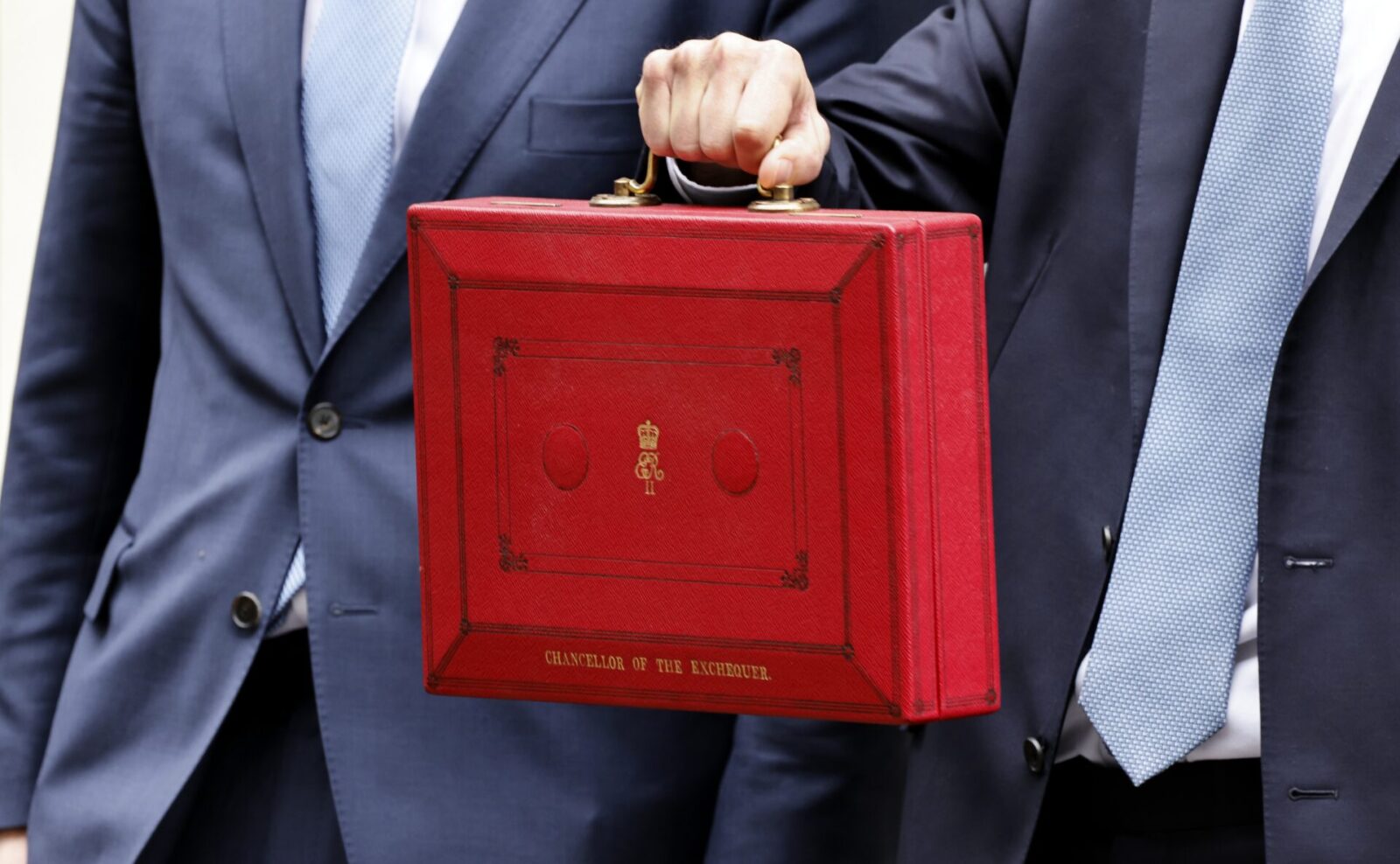
John Healey will deliver his first Budget on Wednesday 28 October. Editorial credit: Sean Aidan Calderbank, via Shutterstock.
Last updated: 7 September 2026
The chancellor, John Healey, has confirmed he will deliver the new government’s first autumn Budget on Wednesday 28 October.
Andy Burnham and Healey have their work cut out to balance the competing political and economic interests. There will be a lot at stake in the House of Commons for this year’s budget. For one thing, the Treasury has seemed at loggerheads with the rhetoric from No 10 in recent days, suggesting the need for painful compromise on key policy objectives.
What does all this mean for business? In this guide, we explain how the Budget could impact the bottom lines and cashflow of UK SMEs, along with the fiscal and currency factors impacting government decision-making.
Key takeaways
- Energy prices and instability in the bond market have shrunk the fiscal headroom ahead of the autumn Budget (28 October).
- Andy Burnham and John Healey will try to ease the cost of living without negatively affecting the pound.
- UK businesses have their eyes peeled for new policies and duties that might affect their operating costs.
All change
Cast your mind back to this time last year and the landscape looks very different. Just 12 months ago, Sir Keir Starmer and Rachel Reeves were grappling with a bond crisis of their own, one that snowballed in the build-up to the chancellor’s statement and ultimately eroded precious spending headroom.
Last year’s budget was also unusually late. So late, in fact, that it opened the door to a costly period of speculation. By the time Reeves stood up to deliver her address, Labour had gone into full damage limitation mode and the Budget turned out to be something of a damp squib.
The new leadership seemed to conspicuously draw a line under this in announcing this year’s Budget would take place on 28 October. Yet, even in that shortened lead time, there will undoubtedly be a vast amount of column inches devoted to the subject.
Andy Burnham’s brand of ‘Manchesterism’ has been tried and tested at the mayoral level, but he remains something on an enigma at the national level. Both he and John Healey, who resigned in protest at the defence cuts he later approved as chancellor, have much to prove when it comes to the nitty gritty of economic policy.
Problems mount
2026 has provided a testing examination of corporate cashflow and forecasting.
The Bank of England has kept interest rates on hold at 3.75% since the end of 2025. Whipsawing inflation expectations have seen the Monetary Policy Committee play it safe when setting the policy rate at the last few meetings, a trend that has played out across most major central banks.
Nevertheless, the intrigue around monetary policy hasn’t gone away. The war in the Middle East has altered interest rate expectations, which now put the headline consumer price index north of 3% for the UK at some point towards the end of this year.
Spending or policy?
Andy Burnham is expected to honour the tax commitments made by his predecessor in the last general election. That means no changes to income tax or personal national insurance and no increase to corporation tax, leaving other avenues like inheritance tax as the most likely sources of funding.
Large amounts of new borrowing would likely result in punitively high borrowing costs and Healey is unlikely to risk a run-in with the bond market so soon after entering Number 11. However, it is widely believed that Burnham’s preferred fiscal initiatives would tip the country’s finances dangerously into the narrow headroom likely to spark a bond revoult.
Can other industries expect similar rate relief that hospitality and retail received in the early days of the Burnham government? It feels unlikely, despite widespread opposite to fiscal drag that eats into retail spending power.
Sterling in the balance
Recent history proves the pound can move significantly around this type of fiscal event. With Healey untested at the dispatch box and the bond market already twitchy, the risk of a choppy autumn for the pound is real, which in turn could put your margins under pressure.
There is a significant degree of uncertainty around the path of interest rates for the Bank of England, the European Central Bank and the Federal Reserve. In fact, pretty much all sterling’s major trading pairs are subject to the same question marks, namely the conflict in the Middle East and the prospect of a return to runaway inflation.
None of this can be predicted with confidence. What a business can decide is how much of that uncertainty it is willing to carry. Tools such as forward contracts allow businesses to fix the rate on future euro and dollar costs, turning an unknown into a known and protecting the margin it has already priced into next season’s programme. The aim should be to take the guesswork out of future planning altogether, so that a difficult Budget for the pound doesn’t become a difficult year for the balance sheet.
GBP/USD: since 2020
Protecting your profits this autumn
The autumn Budget constitutes a high-profile risk for many British sectors. However, with the right solutions, implemented by an experienced team and backed by consultative problem-solving, even the most exposed business can emerge stronger than ever.
Smart Currency Business stands ready to protect your profits, come what may. Speak to our team by calling member of our team on 020 7898 0500, or get in touch by sending a message to [email protected].