020 7898 0500
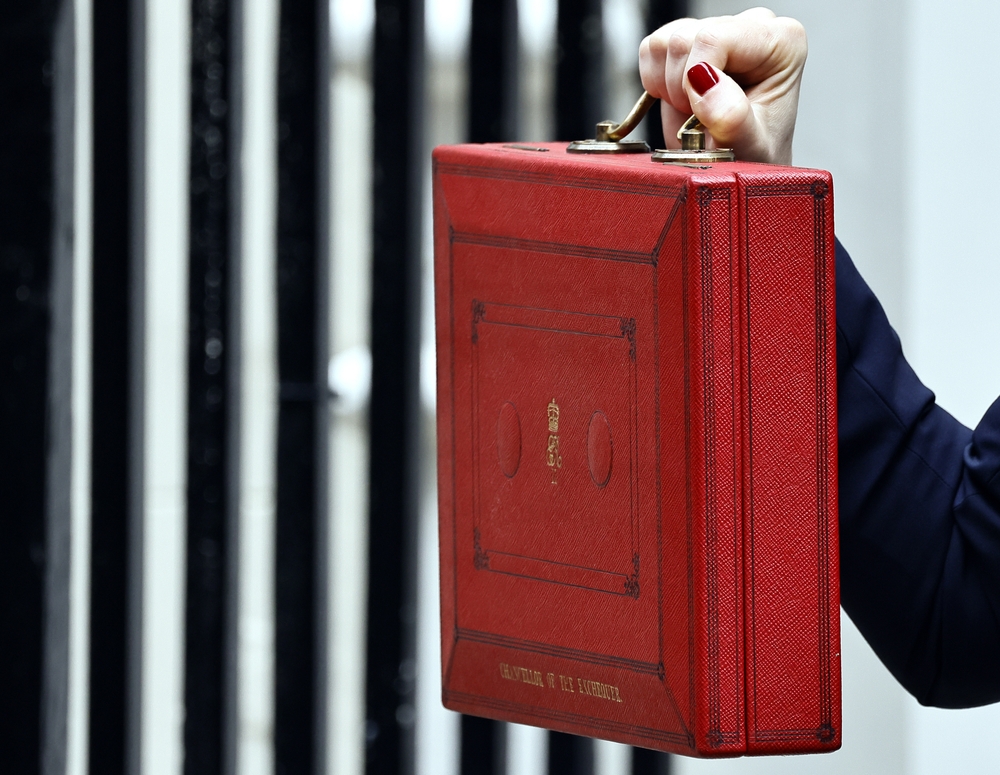
John Healey's 'do no harm' Budget prioritised stability over large spending commitments (Sean Aidan Calderbank / Shutterstock).
Sterling held steady as chancellor John Healey delivered his first autumn Budget, but downgraded growth forecasts and tighter public finances could create fresh uncertainty for UK businesses.
The chancellor used Wednesday’s Budget to announce a series of measures designed to ease the cost of living, support small businesses and encourage investment. However, the latest economic forecasts painted a more complicated picture of the UK’s prospects.
While the pound remained relatively stable against the euro and US dollar during Healey’s speech, the implications for interest rates, economic growth and government borrowing could influence its direction in the months ahead.
What did the autumn Budget announce?
The Budget included several measures aimed at reducing costs and encouraging business investment.
Among the most significant announcements were:
- Business rates relief: Small business rates relief will be extended to £18,000.
- Investment: More than £20bn will be allocated to public financial institutions to support British businesses and innovation.
- Energy bills: Gas standing charges will be abolished, while around 20 million households in council tax bands A–D will receive £100 in direct support this winter.
- Bank taxation: The surcharge on bank profits will rise from 3% to 6% for 15 months, ending in March 2028.
- Regional growth: A new fiscal devolution roadmap will give regions greater powers to finance local investment projects.
The measures offer potential benefits for businesses facing higher operating costs, although their impact will vary considerably between sectors.
For smaller firms, business rates relief could provide some immediate breathing space. Meanwhile, greater access to investment funding could support businesses looking to expand despite challenging economic conditions.
OBR forecasts reveal a difficult year ahead
Perhaps the most important announcement for the wider economy came from the Office for Budget Responsibility (OBR).
The independent fiscal watchdog upgraded its UK growth forecast for 2026 from 1.1% to 1.2%. However, its forecast for 2027 was cut sharply from 1.6% to just 1%.
According to the government’s Budget documents, higher energy prices and borrowing costs are expected to weigh on economic activity next year. Growth is then forecast to recover to 1.6% in 2028 and 1.8% in 2029.
For UK businesses, this raises questions about the strength of domestic demand and the outlook for investment. Slower growth could also complicate the Bank of England’s interest rate decisions, particularly if inflation remains elevated.
What does the Budget mean for sterling?
Despite the significance of the announcements, sterling initially showed little movement against either the euro or US dollar. UK government borrowing costs also fell during the chancellor’s address as he emphasised his commitment to maintaining fiscal discipline.
However, the government’s financial position remains constrained. The OBR estimates that fiscal headroom – the amount available before the government risks breaching its own borrowing rules – has fallen to £15bn in 2029–30. This leaves relatively little room to absorb further economic shocks without changes to taxation or spending.
For currency markets, the competing forces are difficult to reconcile. A commitment to fiscal discipline could support investor confidence in UK assets. Conversely, weaker growth expectations could weigh on sterling, particularly if investors anticipate a more accommodative monetary policy.
Persistent inflation could pull expectations in the opposite direction by encouraging the Bank of England to keep interest rates higher for longer.
The result points to an uncertain outlook for sterling, even if its immediate reaction to the Budget has been relatively muted.
How should UK businesses respond?
For businesses trading internationally, the consequences of the Budget could extend beyond changes to taxation or operating costs.
A weaker pound would increase the sterling cost of imports priced in foreign currencies, potentially squeezing profit margins. Exporters, meanwhile, could benefit from more competitive pricing overseas, although their foreign currency revenues would also be affected by exchange rate movements.
With economic forecasts changing and currency markets weighing the implications of the Budget, businesses should consider how different exchange rate scenarios could affect their cashflow.
At Smart Currency Business, we help businesses manage currency risk through tailored hedging strategies, providing greater visibility over future costs and helping protect profit margins against unfavourable exchange rate movements.
For a closer look at the currency outlook, download our October–December Quarterly Forecast, featuring exchange rate predictions from leading financial institutions.
Alternatively, speak to our team to discuss how your business can prepare for currency volatility.