 020 7898 0500
What does the new UK-EU trade deal mean for British businesses and the pound?
By Jonathan Cook November 24th, 2026
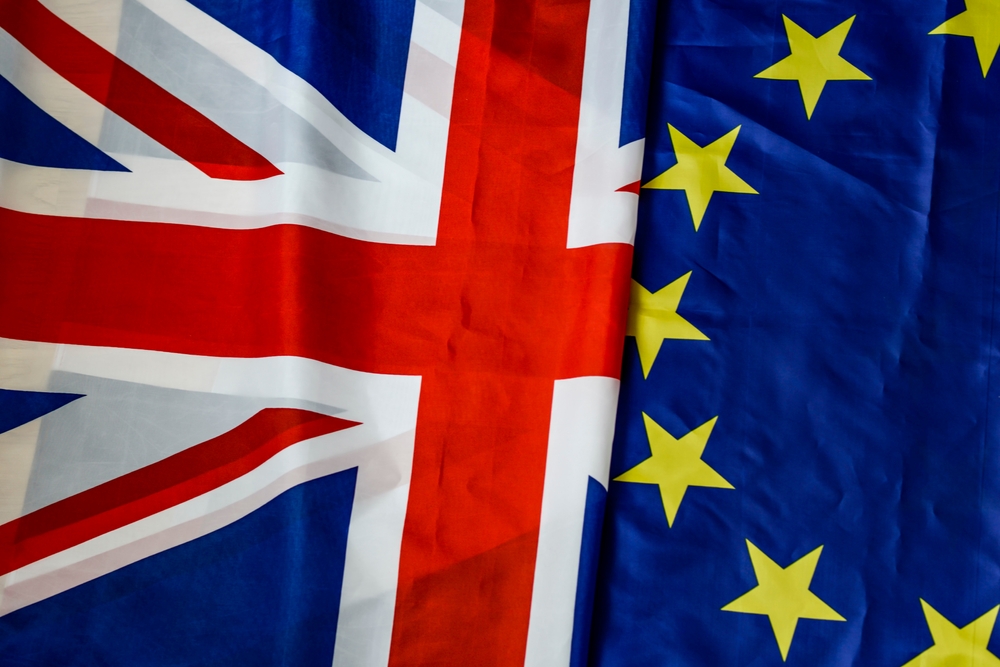
The UK and EU recently agreed limited trade relief. Will these early steps lead to deeper cooperation?
The UK and EU have reached a new agreement designed to make trading easier, reduce costs and strengthen economic ties. But what will the changes mean for British businesses, and could they have an impact on the pound?
At a summit in Brussels on 20 November, Prime Minister Andy Burnham agreed a package of measures covering food and agricultural trade, carbon emissions and opportunities for younger workers.
The government estimates that the agreements could boost the UK economy by up to £17 billion annually by 2040. While the benefits will take time to emerge, they could have important implications for businesses trading internationally.
What has been agreed between the UK and EU?
The agreement focuses on reducing some of the barriers to trade that have emerged since Brexit, without returning the UK to the EU’s single market or customs union.
While Downing Street has signalled an appetite for more change, three main areas stand out.
- Fewer barriers to food and agricultural trade
British farmers and food exporters will benefit from reduced paperwork and fewer border checks when moving many goods between the UK and EU.
The government says the agreement could save businesses up to £200 per export health certificate, while reducing delays for products such as meat, dairy and plants.
The changes are expected to take effect from March 2028.
- Closer cooperation on carbon emissions
The UK and EU have agreed to link their emissions trading systems, with implementation targeted for January 2028.
This could help British manufacturers, particularly those producing steel and aluminium, avoid additional emissions charges when exporting to Europe.
The government estimates that almost £6.5bn of UK exports could benefit from exemptions to carbon border charges.
- New opportunities for younger workers
A new Youth Experience Scheme will allow up to 100,000 people aged 18 to 31 from each side to live, work or study in the other’s territory for up to three years.
The scheme, expected to begin by January 2030, could eventually benefit sectors such as hospitality and tourism by widening access to workers.
What does the agreement mean for British businesses?
For businesses trading with Europe, the most immediate potential benefit is a reduction in costs and administrative work once the new arrangements are implemented.
Importers and exporters of food and agricultural products currently face additional paperwork, inspections and logistical challenges. Removing some of these barriers could shorten delivery times, improve supply-chain efficiency and reduce costs.
Manufacturers may also benefit from fewer carbon-related trade barriers, while closer cooperation on industrial supply chains could support investment.
However, the changes come with some compromises. The UK will need to align relevant food and agricultural regulations with EU standards, potentially requiring some businesses to change their processes. Many other customs requirements will also remain.
Importantly, the full economic benefits are unlikely to be felt immediately. Businesses will need to consider implementation dates and any additional compliance costs before adjusting their forecasts.
Will the UK–EU agreement strengthen the pound?
Closer economic ties with Europe could be positive for sterling over the longer term.
Reducing trade barriers may encourage investment, improve productivity and strengthen the UK’s economic outlook. In principle, stronger growth and greater investor confidence can provide support for a currency.
However, the immediate reaction from foreign exchange markets has been relatively muted. These limited had largely been anticipated by investors, limiting their potential to generate an immediate rise in sterling.
The pound’s future direction will also depend on factors beyond UK–EU relations, including interest rate expectations, energy prices and economic growth on both sides of the Channel.
Even an agreement which improves the UK’s economic prospects does not guarantee a stronger pound. Sterling could still strengthen or weaken against the euro as financial conditions change.
What could this mean for profit margins and cashflow?
Businesses trading internationally should consider the effect of the agreement on both their operating costs and their currency exposure.
For example, imagine a UK company importing €500,000 of goods from Europe.
- At an illustrative exchange rate of £1 = €1.20, the goods would cost approximately £416,667.
- If sterling weakened to £1 = €1.15 before payment, the same goods would cost approximately £434,783.
That represents an additional cost of more than £18,000, despite the euro price remaining unchanged. While reduced trade barriers could help lower some operating costs, unfavourable exchange rate movements could still affect those savings.
The opposite applies to exporters. A stronger pound could reduce the sterling value of sales made in euros, potentially putting pressure on profit margins. These risks are particularly important when businesses agree prices or enter contracts several months before payments are due.
How should businesses prepare?
The new agreement is a positive development for many businesses trading with Europe, but it does not remove uncertainty.
Companies may want to review their supplier arrangements, expected trading costs and future currency requirements as the changes approach. For finance teams, this is also an opportunity to assess whether current exchange rate assumptions remain appropriate. Understanding when overseas payments are due, how currency movements could affect margins and whether a structured hedging strategy would be appropriate can help businesses plan with greater confidence.
Rather than attempting to predict where sterling will move next, the priority should be understanding the financial consequences of different scenarios.
How Smart Currency Business can help
The new UK–EU agreement could create opportunities for British businesses, but managing currency risk will remain an important part of international trade.
At Smart Currency Business, we help companies understand their foreign exchange exposure and develop treasury strategies that support their commercial objectives.
Whether you’re importing from Europe, receiving euro revenues or planning future international expansion, our specialists can help you assess your currency requirements and manage the risks associated with market movements.
Speak to our team to discuss how a tailored currency strategy could help protect your profit margins and support your cashflow planning.